30 years of Sirris Liège accelerating industrial prototyping and scalable innovation
Products are evolving rapidly. They combine software, data and advanced materials. Yet the biggest challenge lies not in the idea, but in execution. How do you turn a complex concept into a reliable and scalable product? Sirris celebrates 30 years at the Sart Tilman site in Liège and focuses strongly on industrial prototyping, the key to industrial impact.
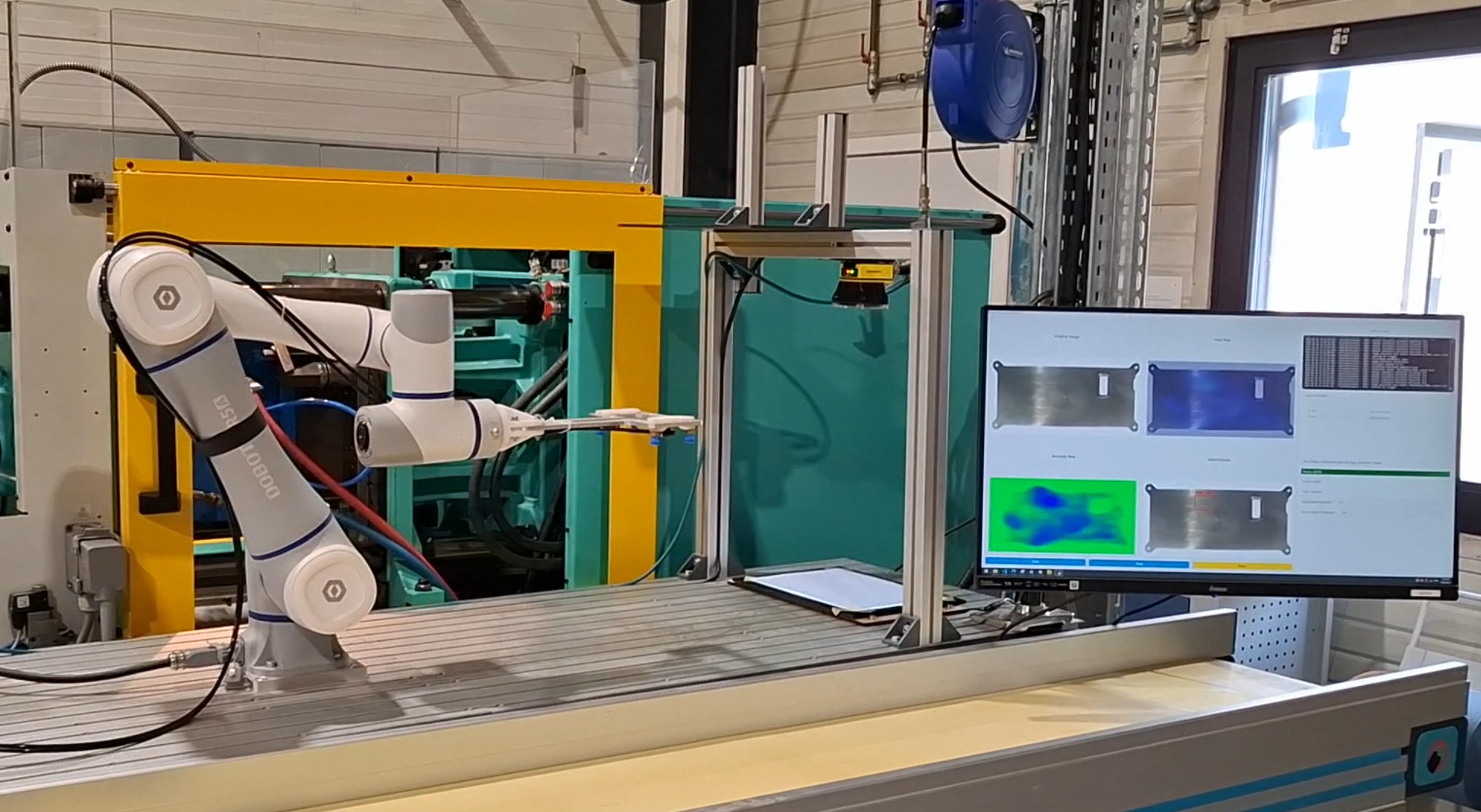
Product development in transition
The complexity trap in a volatile world
Product development looks fundamentally different today. In the past, the process ended with a finished product. Today, products continue to evolve as dynamic systems.
Companies combine materials, electronics, software and data into one integrated whole. Products respond to their environment and make autonomous decisions. They operate within a broader ecosystem where everything is interconnected.
Rapid technological evolution reshapes the field
The landscape is changing rapidly. AI, data and connectivity are widely available and continue to accelerate. Tasks that once took weeks are now completed in days. Digital functionality is becoming cheaper and easier to replicate.
This creates a new reality. Not every technological breakthrough delivers a lasting competitive advantage. Differentiation no longer lies in access to technology, but in how you integrate it.
The challenge therefore shifts to the physical product. This is where all complexity converges. This is where a concept must become robust, reproducible and scalable.
Jacques Halleux, Business Unit Manager Product Solutions, explains: “Products have fundamentally changed. It is no longer about a single component. It is about managing an intelligent system. A prototype that works in a lab does not automatically work in a factory. Factors such as material degradation and complex production processes play a major role. The real difficulty lies in integration and scalability.”
Today, product development is about integration. It requires systems thinking, close collaboration and validation in realistic conditions. At the same time, the importance of security is growing. Cybersecurity is shifting from a technical requirement to a condition for business continuity.
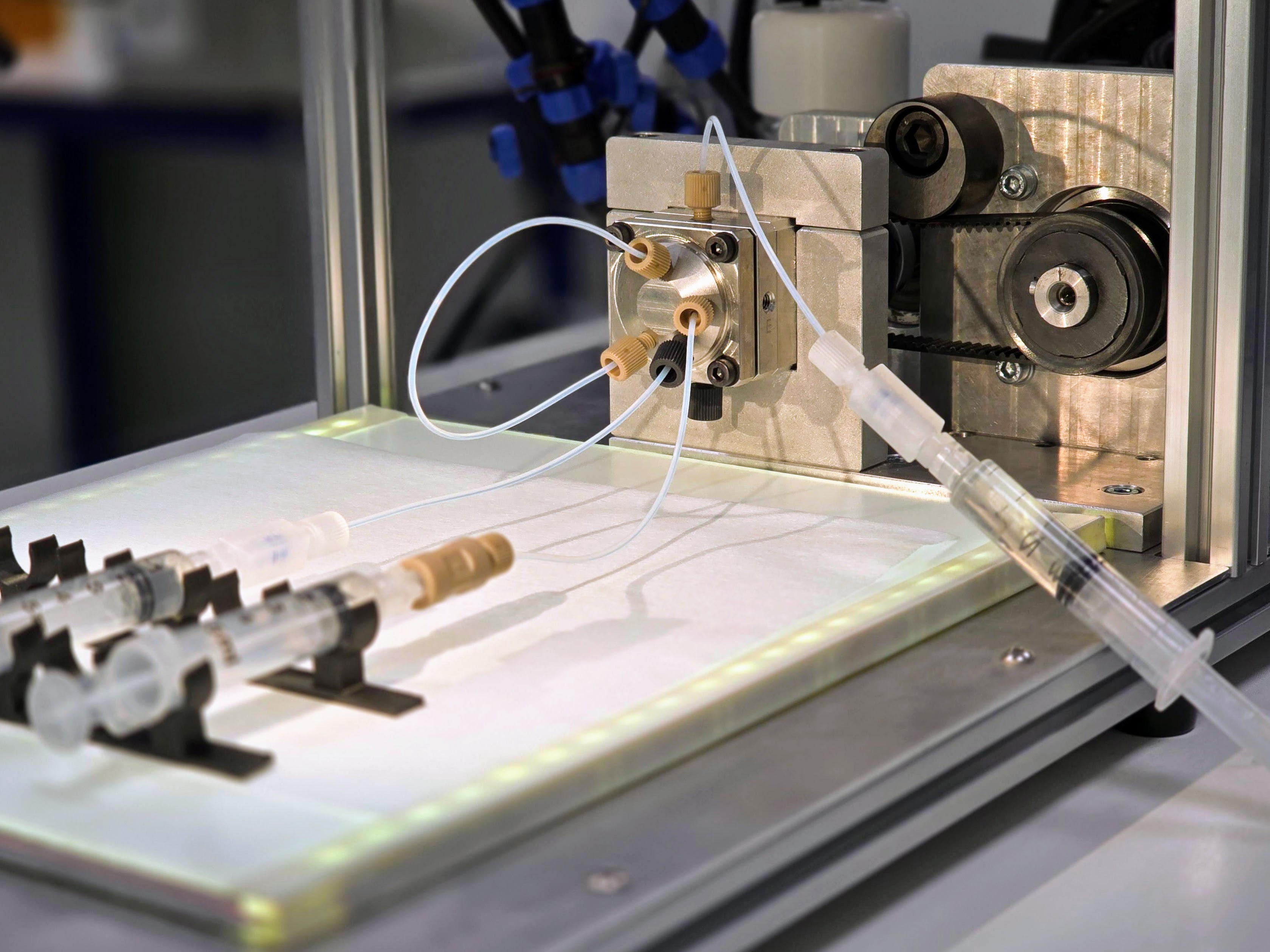
Bridging the gap with industrial prototyping
From proof of concept to industry
Europe and Belgium perform strongly in research. Yet many innovations never reach the market. Projects often remain stuck in the proof-of-concept phase. This is no coincidence. A working idea is not yet an industrial product.
At the same time, the value in product development is shifting. Routine engineering is increasingly automated, reducing the value of pure execution.
Real added value now lies in system design, integration and industrialisation. This is where the greatest challenge lies. How do you bring technologies together into a solution that not only works, but can also be produced?
Industrial prototyping as the key to manufacturability
Industrial prototyping makes that difference. It is the phase where a concept becomes a solution that can actually be produced. Not only functional, but also manufacturable, reliable and scalable.
It revolves around three key questions:
- Does it work in realistic conditions
- Can it be produced reproducibly
- Does it fit within existing production chains
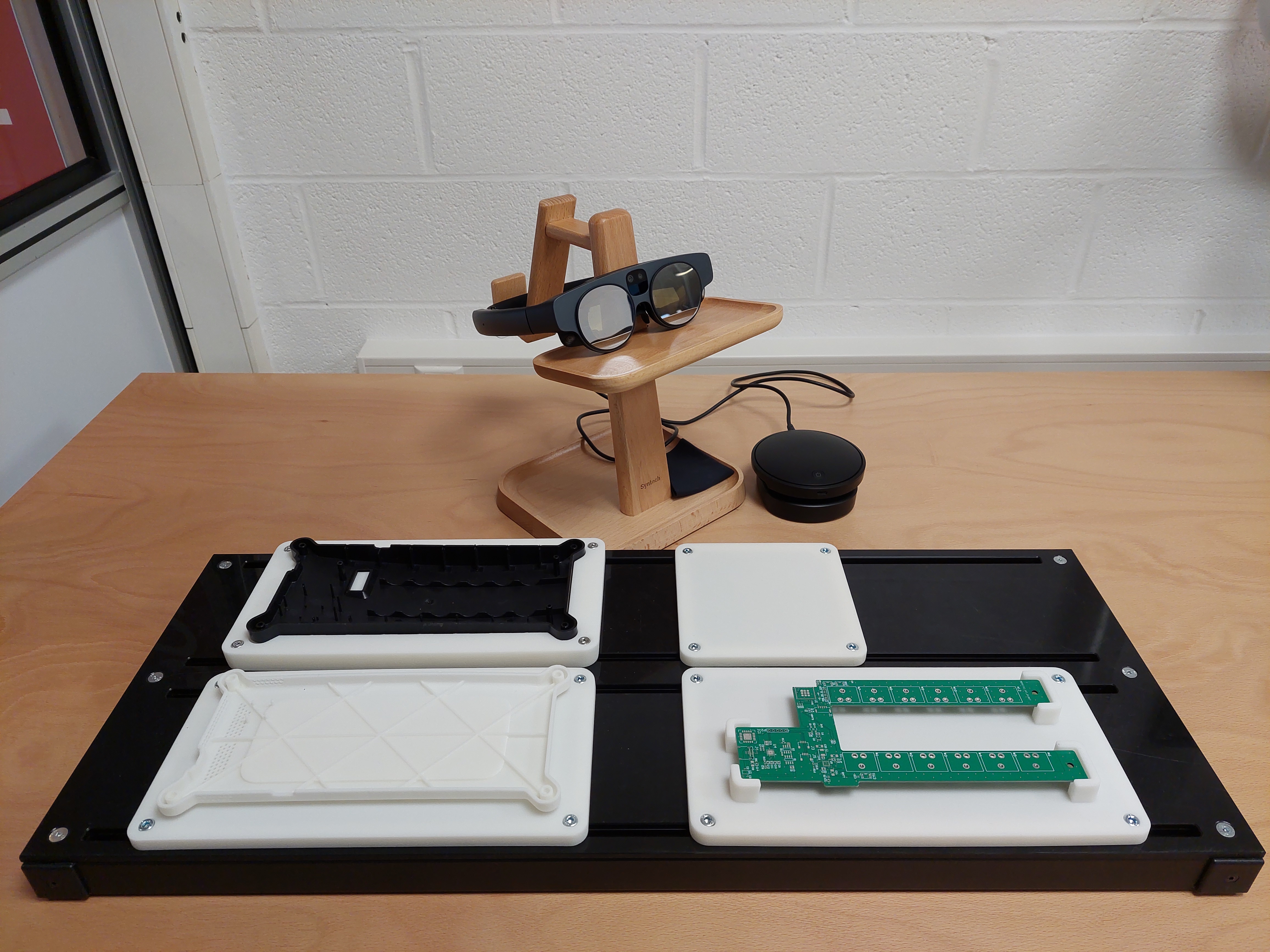
Sirris as a bridge between idea and reality
Sirris actively strengthens this role. As an independent partner, it helps companies translate technological complexity into industrial reality.
Herman Derache, Managing Director of Sirris, explains: “We bring innovation to a level where industrialisation becomes possible. We do not replace engineering firms. We fill a critical gap. We help companies reduce risks by solving integration and manufacturability challenges.”
Sirris acts as a bridge. Between idea and reality. Between lab and factory. This is where real value lies, not in generating ideas, but in realising them.
Sirris Liège as a driver of manufacturable innovation
The Sart Tilman site plays a unique role. For 30 years, Sirris has built expertise at the intersection of technology and manufacturability. Today, it is a high-tech environment where disciplines converge.
Companies work on solutions that are too complex for a single domain. What sets this site apart is the combination of infrastructure and system knowledge. Here, you do not test individual components, but integrated subsystems.
The lab was recently upgraded to strengthen this role. Technologies are validated under conditions close to reality, significantly reducing scaling risks.
This is where the bridge between research and industry is built.
The road to 2030: the rise of physical AI
Intelligence moves into physical systems
In the coming years, this evolution will accelerate. Physical AI is gaining importance. Intelligence is shifting from the cloud to physical systems. Machines respond directly to their environment and make autonomous decisions.
At the same time, awareness is growing that purely digital solutions are vulnerable. Functionalities are easier to copy and harder to protect.
From digital vulnerability to physical strength
Innovation is increasingly shifting towards physical systems. The combination of software with hardware, sensors and infrastructure creates more robust and harder-to-replicate solutions.
This increases complexity. Hardware and materials must work seamlessly together. Speed becomes critical. Companies that can translate innovation into manufacturable products faster will win.
Industrial prototyping becomes a strategic lever. It enables faster learning, testing and scaling.
In this context, Sirris becomes even more important. Through its expertise, infrastructure and independence, it helps companies manage this transition.
The bridge between idea and industry
Product development is shifting towards system integration in a context of rapid AI evolution. Digital technology is becoming more accessible, while manufacturability and physical integration make the difference.
Innovation only creates value when it becomes industrially applicable. Industrial prototyping enables this step by turning concepts into reliable and scalable products. For 30 years, Sirris Liège has supported companies in this transition.
Would you like to take the step from concept to industrial reality?
Discover how Sirris supports you in industrial prototyping and manufacturability. This helps you realise reliable and scalable products faster.