What every SME needs to know about the safety rules as regards mobile cobot cells and legacy machines
Why safety is a key issue in flexible automation
Mobile automation such as a cobot cart that moves between workstations or legacy machines provides an answer to the needs of high-mix, low-volume manufacturing. But as soon as machines are connected or modified, specific rules apply. The integrator becomes legally responsible and has to ensure the safety of the entire system. With the new European Machinery Regulation on the horizon, this task is becoming even more complex. The COOCK+ ROBUST project is developing methods and technologies that make this challenge workable for SMEs.
Discover how Sirris and KU Leuven designed a robust, reconfigurable cobot cart for sheet metal applications. Download the COOCK+ ROBUST casebook for a practical, step-by-step guide to build your own cobot.
The starting point: what does the law say?
Anyone using a machine should check whether it has a CE mark or just a Declaration of Incorporation. Anyone who connects machines or modifies systems, as in the case of a mobile cobot cell becomes an integrator and is legally responsible for the safety of the entire system. The classification of the system is crucial: if the cobot cell works autonomously, then it is a finished machine; if it works together with another machine, then it is considered a partly completed machine. This classification determines your obligations.
What will change with the Machinery Regulation?
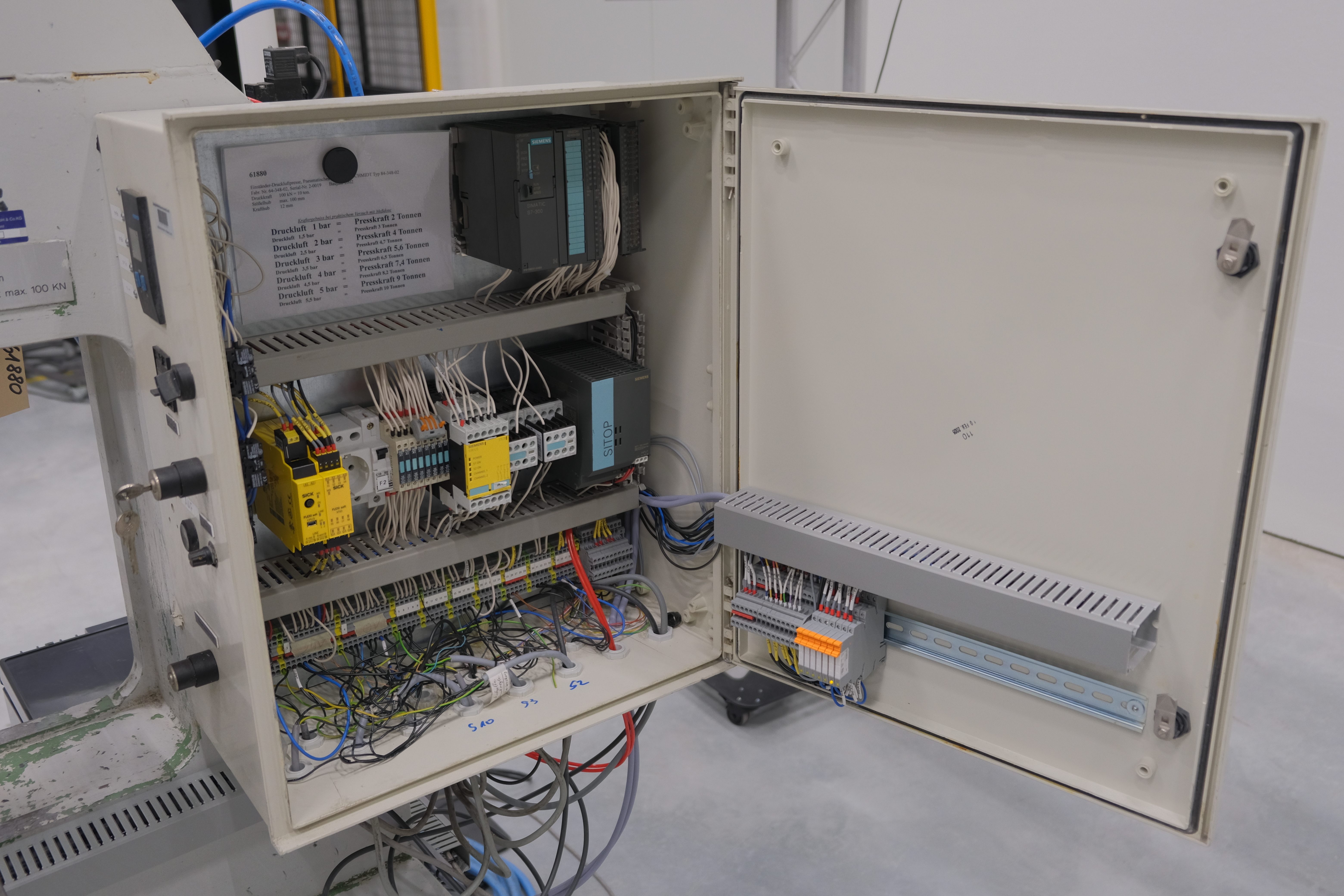
The European Machinery Regulation (EU 2023/1230) will shortly replace the old Machinery Directive. The rules are becoming stricter and will suit modern contexts: AI, software updates and cybersecurity are expressly included as safety-relevant aspects. Businesses using mobile cobots in particular should be prepared for additional obligations. The machinery regulation clarifies the concept of a "substantial modification". This clarity may increase the compliance burden. Connecting a cobot cell to a legacy machine will, in many cases, be considered a "substantial modification". ROBUST is exploring how SMEs can efficiently handle this complexity.
Safety validation is a continuous process
Moving a cobot cell in any way can have an impact on safety. Once it has been integrated, steps should be taken to determine whether the modification is limited or substantial. A substantial modification gives rise to a completely new CE procedure. This is often not workable, especially if the original machine builder or documentation is not available. ROBUST investigated how companies deal with this challenge in practice without losing sight of safety.
Realistic risk analyses show where the real danger lies
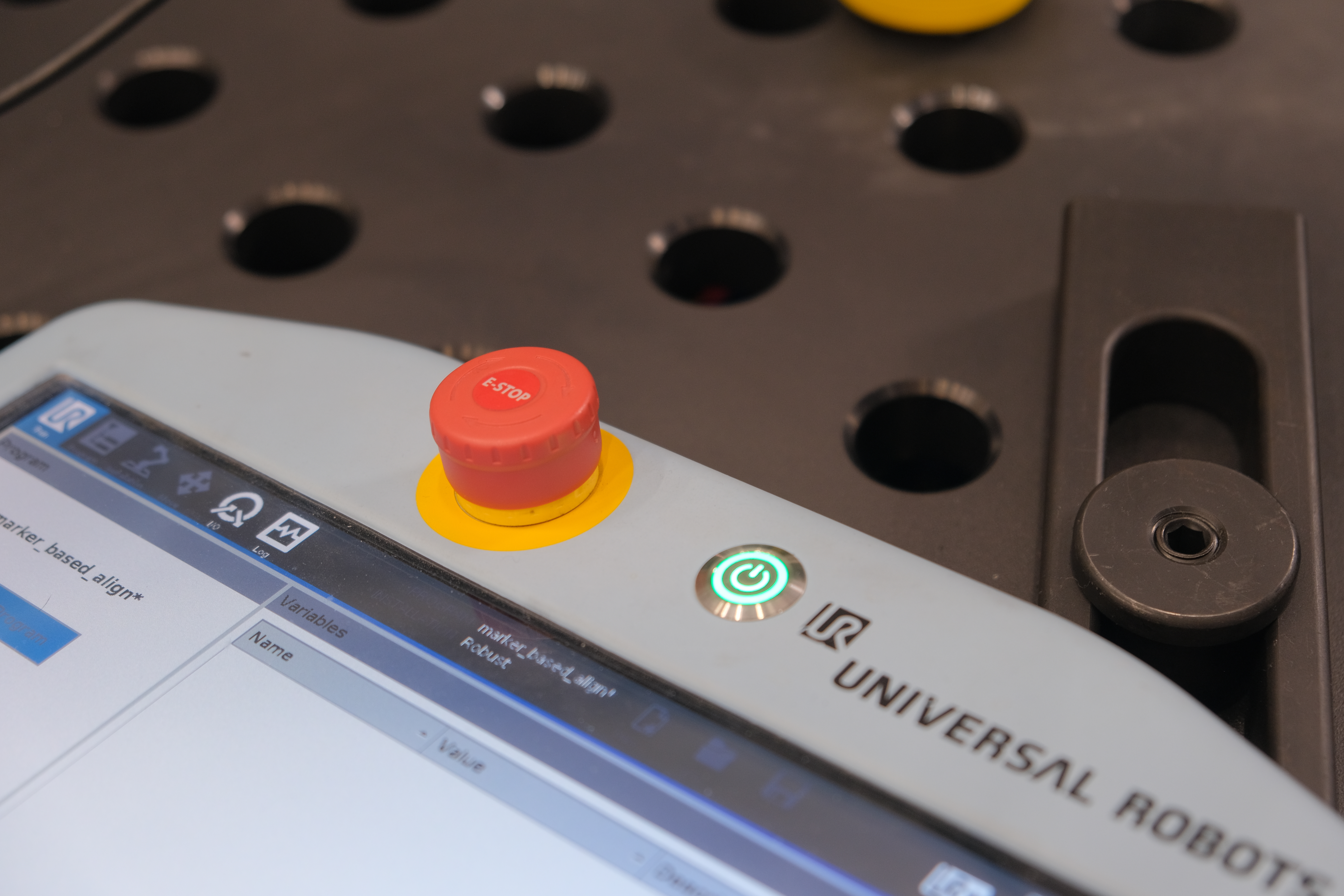
In the view of the Machinery Directive and the new Machinery Regulation, cobots are by definition not safe because they constitute incomplete machinery. Such machinery lack a full conformity assessment and may be put into service only after they have been integrated into a larger machine or installation and have received the full CE marking. After integration, it quickly becomes apparent in practice, especially in metalworking, that the risk lies in workpieces or grippers manipulated by the cobot. Power and Force Limitation (PFL) alone is usually not enough. ROBUST therefore works with additional safety measures such as scanners, light curtains and smart guards tailored to the specific configuration of each work cell.
Integration with legacy machines: where is the problem?
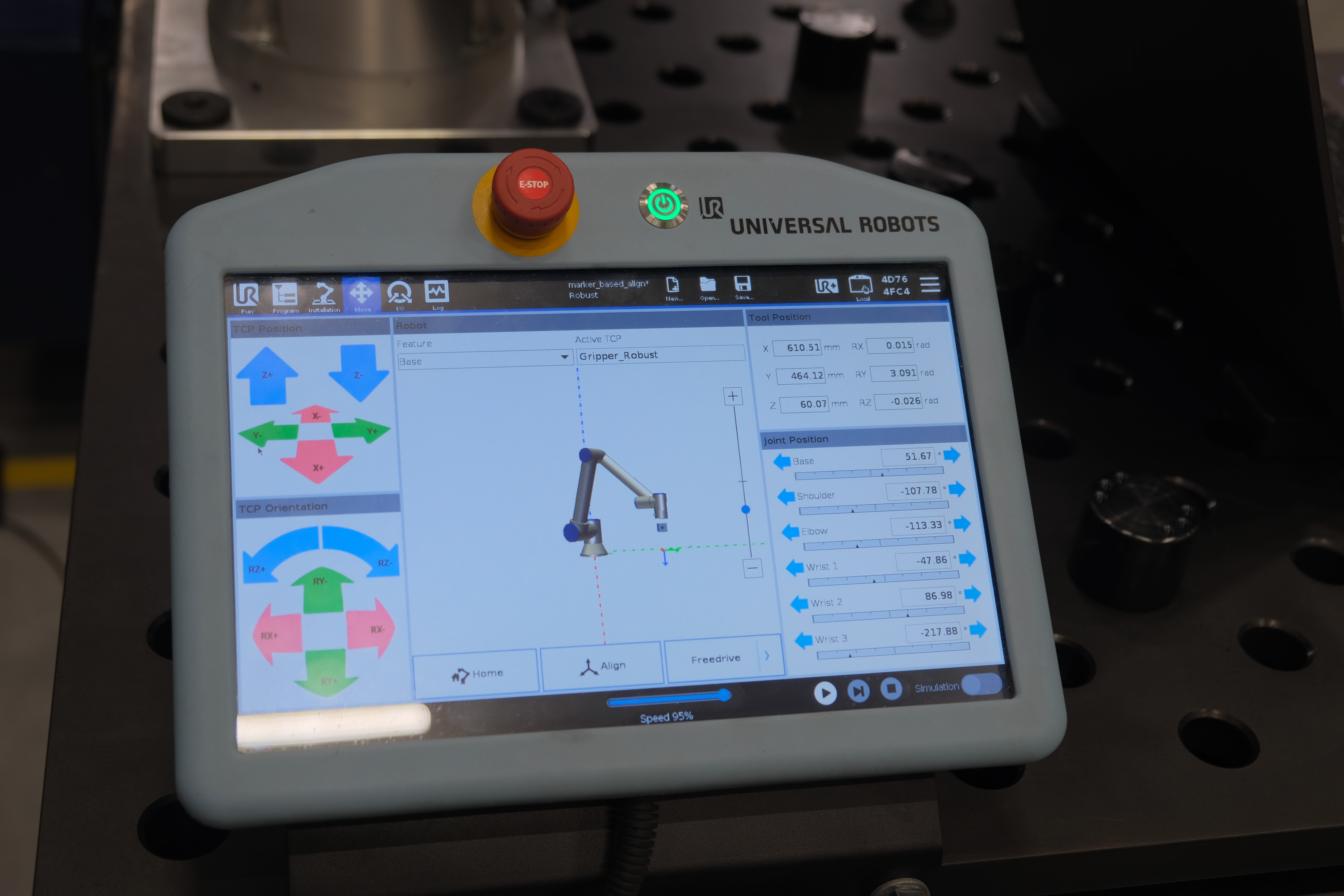
SMEs wishing to connect a cobot cell to existing machinery will face legal and technical hurdles. With a combined machine, the strictest standard always applies. The cobot also has to be able to stop the dangerous movements of the old machine. The only workable approach for a movable cobot cell is to divide the scope into sub-elements and provide them with a declaration of incorporation with incorporation requirements and then focus on a validated, safe interface between the two systems. This interface should be designed in accordance with the functional safety rules (PL/SIL) suitable for the most stringent level as regards the subcomponents.
Recurring startup: how do you keep it workable?
To ensure flexible production, it must be possible to move cobot cells smoothly. But the geometry and risks change with every move, which entails recalibration, re-analysis and re-validation. ROBUST is examining how this process can be streamlined. Think safety zones that set themselves on the basis of sensors and docking detection. This keeps the threshold manageable, even with frequent redeployment.
Cybersecurity is a legal requirement
Under the new rules, digital security must also be ensured. If a cyberattack sabotages a safety function, this may lead to physical accidents. So this risk has to be factored into the safety analysis. Even those working only with analogue legacy machines should consider how the digital components of the cobot cell are protected. ROBUST pays attention to this too, thereby ensuring the integrity of the entire installation.
What does ROBUST teach us?
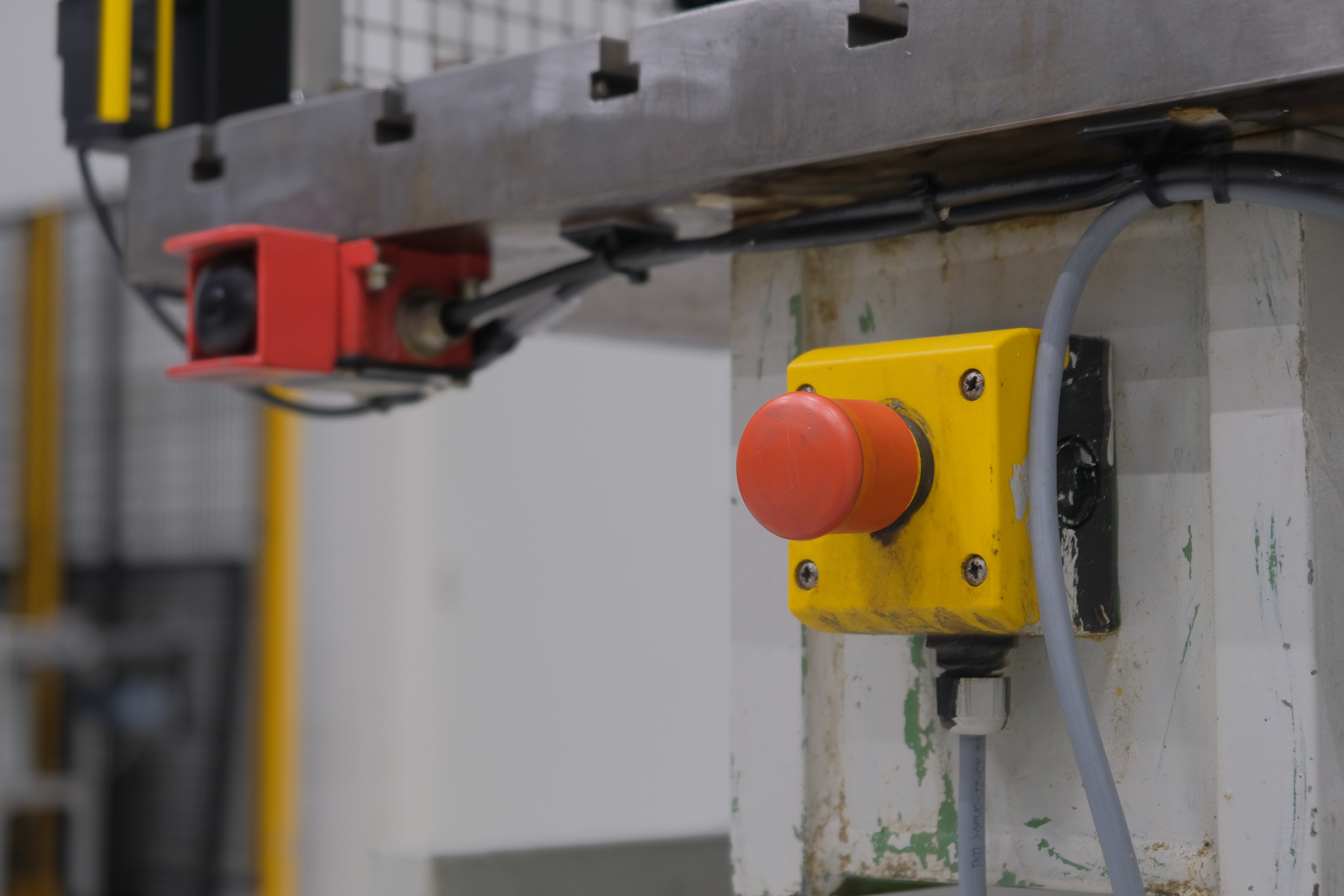
Safe automation does not stop with the CE declaration of incorporation of a cobot. Especially not if that cobot is movable or connected to other machines. The ROBUST project looks at the possible solutions: technically robust and economically viable methods to safely implement flexible automation. In a high mix, low volume context, this makes the difference between experimentation and real added value.
ROBUST | Reconfigurable cOBotic prodUction AsSistanT
ROBUST helps sheet metal suppliers with high-mix-low-volume production to automate repetitive tasks using mobile, reconfigurable cobots. Because small batches and changing orders often stand in the way of standard automation, the project uses demonstrators to show how cobots can be flexibly deployed for a variety of tasks such as pressing, welding, deburring, and gluing. ROBUST offers companies practical tools and knowledge to work step by step toward more efficient, (semi-)automated production.
Discover the other parts of the Cobot cart manual
Part 1: building a cobot cart: sturdy, smart and ready for the workplace
Part 2: how do you ensure perfect alignment of your cobot cart?
Part 3: how does a cobot cart communicate with its environment?
Part 4: smart cobots thanks to 3D computer vision
Part 5: from workbench to mobile cobot assistant: make your production flexible
Part 6: making a mobile cobot plug and play using real-time pose tracking
Part 8: smarter programming with cobots: how ROBUST is focusing on programming ease for flexible automation